Luxury Real Estate Trends That Will Shape 2026
The high-end residential housing market is entering an era defined by intentionality, technological discretion, and health-focused architecture. Modern high-net-worth buyers are re-evaluating what true luxury means, shifting away from ostentatious displays of size toward functional elegance, sustainability, and personal well-being. Understanding the dominant luxury real estate trends is essential for investors, developers, and homeowners looking to build long-term value in a dynamic market.
As wealth flows into specialized prime markets around the globe, broader property trends reveal how buyer expectations have evolved. Here are the key movements shaping the luxury property landscape in 2026.
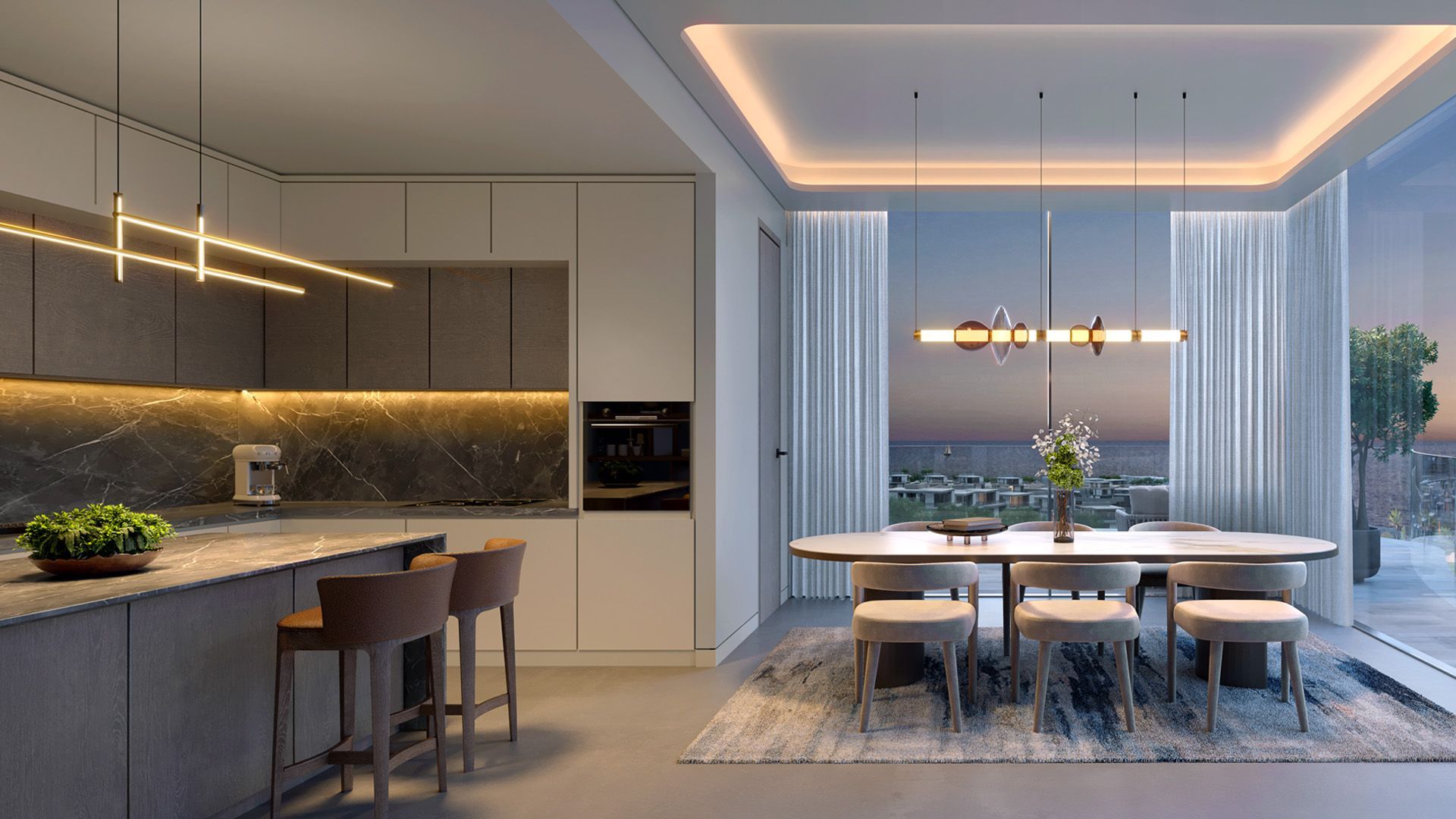
1. Wellness Architecture and Longevity Residences
Health and daily restoration are no longer treated as add-on features in high-end developments. Today, wellness is built directly into the core structural design of prime homes. Properties featuring dedicated spaces for physical and mental rejuvenation command premium prices and attract higher buyer interest.
Core Features Driving This Trend:
- Advanced Climate Control: Integrated air filtration systems, circadian rhythm lighting, and water purification units engineered into the home infrastructure.
- Private Hydrotherapy Suites: Dedicated spa rooms equipped with steam showers, cold plunge tubs, and infrared saunas.
- Biophilic Integration: Architectural designs that bring nature indoors through living green walls, indoor water features, and expansive natural light corridors.
By embedding wellness into architectural design, these homes function as personal retreats focused on long-term health and privacy.
2. Invisible Smart Home Technology
The era of visible, overly complex home automation consoles has passed. Current luxury real estate trends favor seamless, invisible technology that enhances daily living without creating visual clutter.
Technology Integration Shift
| Previous Smart Homes | Modern Invisible Integration |
| Prominent touch screens | Voice, AI, and ambient sensing |
| Complex wall panels | Flush lighting and hidden speakers |
| Manual app controls | Predictive climate and energy automation |
High-end buyers expect automated systems to operate silently in the background. Smart glass that adjusts opacity based on sunlight, flush-mounted acoustic speakers, and intelligent security systems that blend into architectural millwork represent the new baseline for prestige properties.
3. Multi-Generational Legacy Estates
Family structures and lifestyle patterns among high-net-worth individuals are driving major changes in architectural layouts. Luxury buyers are increasingly searching for properties capable of comfortably housing multiple generations simultaneously.
Notable Layout Adaptations:
- Dual Kitchen Concepts: A visible show kitchen for family gathering and entertaining, paired with a fully equipped secondary prep kitchen for staff or heavy cooking.
- Independent Guest Wings: Self-contained residential suites complete with private entrances, dedicated living areas, and kitchenettes.
- Acoustically Isolated Workspaces: Custom home offices and creative studios outfitted with specialized soundproofing for remote executive management.
This shift highlights broader global property trends, as buyers view prime residential real estate as both a generational financial anchor and a private multi-family sanctuary.
4. Branded Residences and Service-Driven Living
Branded luxury residences continue to expand rapidly across major global gateways and resort destinations. Developed in partnership with world-class hospitality, automotive, and fashion houses, these developments combine private homeownership with five-star hotel amenities.
Key Feature | Buyer Benefit |
| Turnkey Management | Complete property oversight and maintenance when absent |
| Concierge Services | On-demand dining, private travel arrangements, and event planning |
| Brand Prestige | Built-in value protection and global recognition for resale liquidity |
For international investors who travel frequently, branded residences offer effortless lock-and-leave convenience along with exceptional property management standards.
5. Sustainable Smart Luxury and Eco-Resilience
Environmental accountability and energy independence have become core indicators of property quality. Modern buyers actively seek homes that minimize operational carbon footprints while offering energy resilience during power interruptions.
Key Sustainable Features in Prime Homes:
- Off-Grid Energy Systems: Solar array installations paired with high-capacity battery storage systems.
- Durable Organic Materials: Sourcing solid timber, natural stone, and locally produced materials that age gracefully over time.
- Water Conservation Design: Smart rainwater harvesting systems and greywater recycling for expansive private gardens.
Sustainable luxury properties maintain higher long-term market valuations, lower holding costs, and stronger resistance to future regulatory shifts.
Essential Checklist for Evaluating Prime Properties in 2026
When analyzing high-end real estate, buyers and investors should focus on these five critical criteria:
- Adaptable Floor Plans: Ensure spaces can easily pivot between work, family life, and entertaining.
- Infrastructure Quality: Confirm that air, water, and power systems meet high environmental standards.
- Discreet Security: Look for multi-layered security protocols that protect privacy without feeling restrictive.
- Resale Liquidity: Select locations supported by strong, continuous demand from both domestic and international buyers.
- Architectural Timelessness: Prioritize clean, natural design over short-lived decorative trends to preserve asset value.
Final Thoughts
The defining luxury real estate trends of 2026 demonstrate that high-end buyers prioritize purpose, health, and privacy above all else. Properties that successfully blend invisible technology, biophilic wellness, multi-generational adaptability, and eco-resilient design will continue to lead the market. By staying aligned with these broader property trends, investors can secure properties that offer exceptional quality of life along with robust financial growth.
FAQs
1. How are technology expectations changing among luxury property buyers?
Buyers expect advanced smart home capabilities, but they insist that technology remains hidden and unobtrusive. Instead of visible control screens and complex wall panels, current luxury real estate trends favor automated climate control, flush lighting, hidden speakers, and AI systems that operate seamlessly behind the scenes.
2. Why are wellness features becoming essential in high-end real estate?
High-net-worth buyers increasingly view their primary and secondary residences as private sanctuaries focused on health and longevity. Modern property trends show that features like cold plunge pools, infrared saunas, advanced air filtration, and biophilic lighting directly increase a property's market appeal and long-term valuation.
3. What role does sustainability play in luxury home valuations?
Sustainability is now recognized as a key indicator of quality and future resilience. Homes built with eco-friendly materials, solar energy storage, and efficient climate systems experience lower operational holding costs and stronger price stability over extended holding periods.