Luxury Waterfront Properties: What Makes Them So Valuable?
Few asset classes hold the prestige, financial resilience, and emotional appeal of a waterfront luxury property. Whether situated along iconic coastlines, serene lakeshores, or private island enclaves, prime waterfront real estate consistently commands the highest valuations in global real estate.
While market trends fluctuate, high-end waterfront estates consistently outperform inland properties in price appreciation, equity preservation, and long-term buyer demand. Understanding the unique forces behind these market dynamics explains why buyers continue to pay premium prices for coastal real estate.
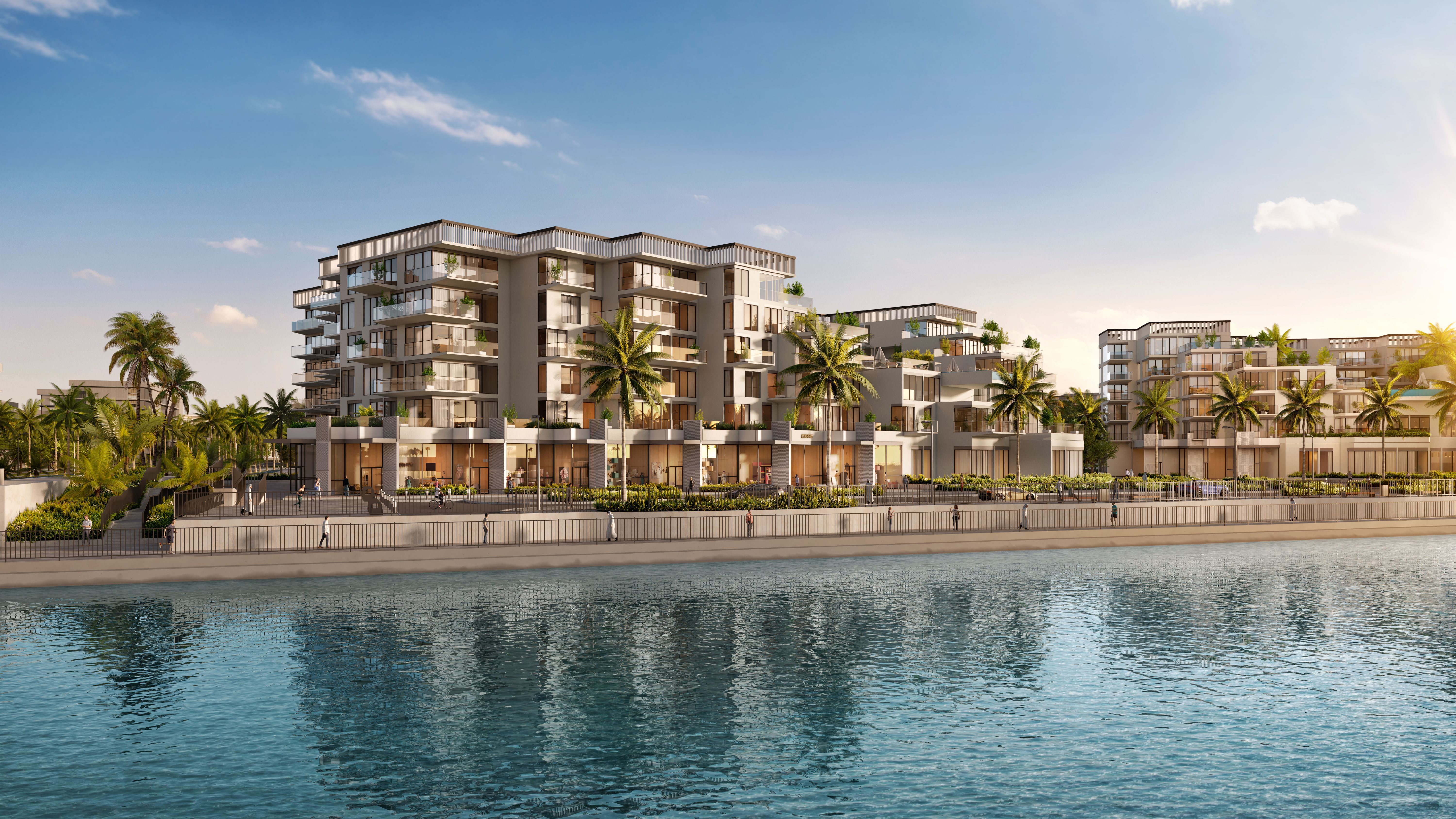
1. Scarcity and Finite Coastline Supply
The primary factor driving the value of a waterfront luxury property is fundamental economics: supply is strictly finite.
Developers can construct additional urban towers or extend suburban communities, but oceanfront and lakefront shorelines cannot be expanded. Because coastal land availability remains permanently capped, inventory stays limited. High-net-worth buyers compete for a shrinking pool of prime parcels, protecting market values even during broader economic downturns.
2. Unmatched Capital Growth and Value Retention
Real estate data consistently shows that coastal assets generate substantial market premiums over inland equivalents. Properties situated directly along the shoreline frequently achieve valuation premiums between 40% and 75% compared to similar properties located just a few blocks inland.
This significant price premium is driven by three key fundamentals: geographic scarcity, as the supply of prime shoreline plots remains permanently fixed; exceptional rental yields, supported by constant demand from luxury travelers for both short- and long-term stays; and unmatched market resilience, allowing shoreline developments to rebound faster than inland sectors following economic shifts.
During market pullbacks, prime beachfront homes act as strong capital preservation vehicles. Their inherent desirability ensures higher liquidity and faster price recovery than conventional real estate assets.
3. The Lifestyle and Wellness Dividend
Beyond traditional metrics, a significant portion of a property’s value stems from lifestyle benefits. Modern luxury buyers view real estate as an investment in personal health and daily experience.
- Panoramic Views: Unobstructed vistas over ocean waves, tranquil bays, or mountain-framed lakes provide emotional value that cannot be replicated in urban settings.
- Direct Water Access: Private docks, deep-water moorings, and direct beach access enable immediate boat launch, paddleboarding, and swimming.
- Health and Wellness: Natural light, fresh coastal air, and quiet surroundings contribute to reduced stress and overall well-being.
4. Exceptional Rental Yield Potential
For investors looking beyond capital gains, beachfront villas and coastal estates generate some of the highest short-term rental yields in the market. Luxury vacationers pay significant premiums for direct access to the sea, yielding higher nightly rates and stronger occupancy levels year-round.
A well-managed prime beachfront residence often outperforms non-coastal inventory by 30% to 50% in gross rental revenue, giving owners a steady cash flow option alongside long-term asset growth.
Key Considerations for Buyers
While acquiring coastal real estate offers long-term benefits, managing this asset class requires careful due diligence:
- Environmental Maintenance: Exposure to salt air, humidity, and wind requires higher upkeep budgets compared to standard inland homes.
- Insurance Requirements: Comprehensive coverage—including flood, storm, and windstorm policies, must be budgeted into annual holding expenses.
- Zoning and Coastal Protections: Local regulations and setback rules dictate future expansion or renovation options along vulnerable shorelines.
FAQs
1. Why does a waterfront luxury property command such a high price premium compared to inland homes?
Price premiums are driven by finite coastline supply, strict coastal construction regulations, high buyer demand, and unique lifestyle amenities like unobstructed views and private water access.
2. Are beachfront properties a safe long-term financial investment?
Yes. Historically, prime coastal assets demonstrate high price stability. Because shoreline land cannot be duplicated, scarcity helps preserve property value across different economic cycles.
3. What is the difference between waterfront and beachfront property?
Waterfront refers to any property abutting a body of water, including rivers, canals, lakes, or harbors. A beachfront property specifically sits directly adjacent to a sandy ocean or sea beach with direct access to the shore.
4. How does maintenance differ for coastal luxury real estate?
Properties directly on the coast face accelerated wear from saltwater, high humidity, and coastal winds. Owners typically allocate higher maintenance budgets (around 1.5% to 2.5% of the property's value annually) for weatherproofing, corrosion control, and protective coatings.
5. Can a coastal luxury property generate solid rental returns?
Yes. High-end coastal properties consistently generate top-tier nightly rates in short-term and luxury seasonal markets, outperforming inland rental units in both yield and annual occupancy.