Top Features High-Net-Worth Buyers Look For
The definition of prestige in real estate has undergone a fundamental transformation. While opulent finishes and prime addresses remain prerequisites, today's HNWI (High-Net-Worth Individual) buyer views a residence as an extension of their personal values, wellness philosophy, and security requirements.
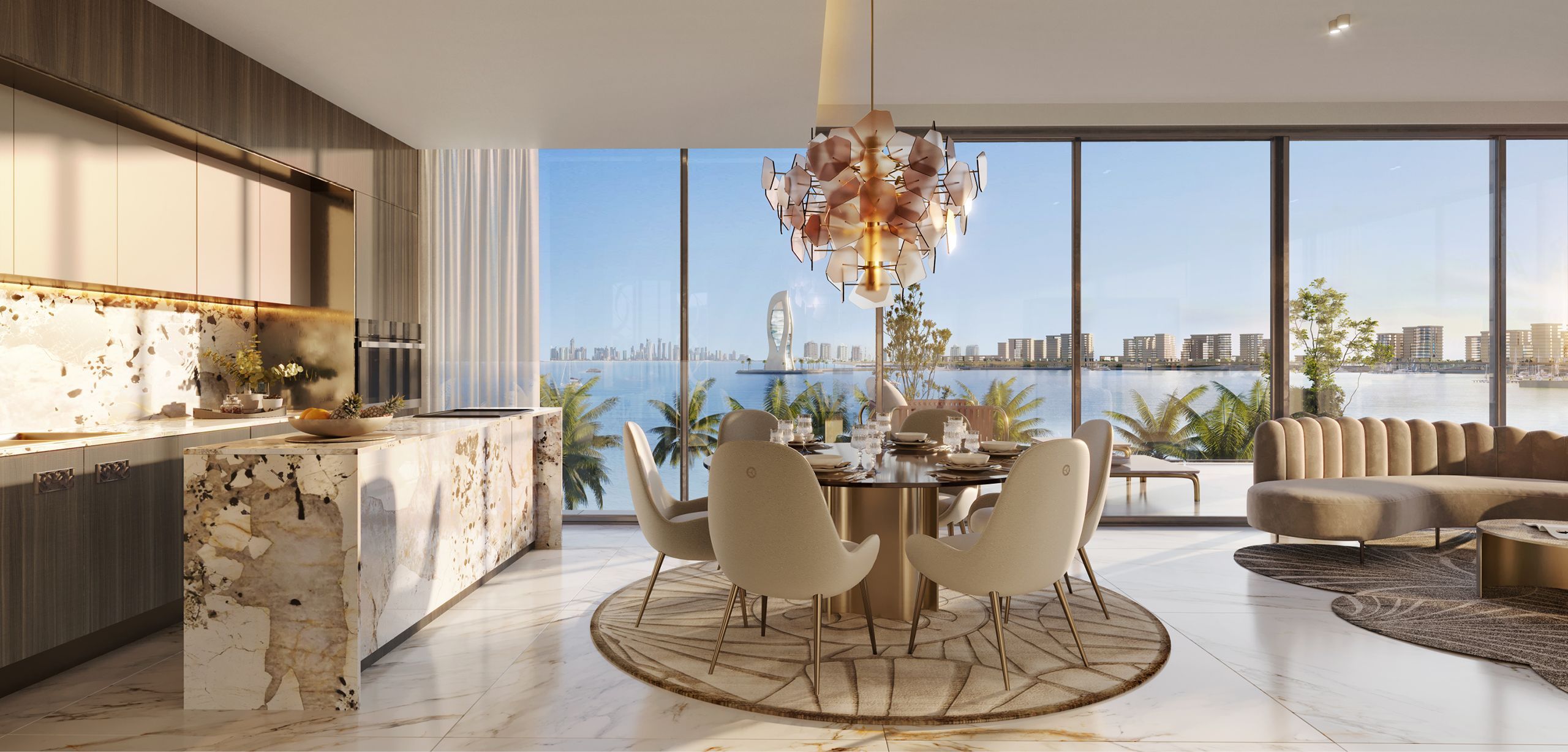
To appeal to modern affluent buyers, developers and sellers must look beyond cosmetic grandeur. The most sought-after luxury home features combine privacy, architectural purpose, advanced technology, and curated lifestyle amenities.
1. Advanced Privacy and Discreet Security Systems
For ultra-affluent buyers, personal privacy and security are non-negotiable foundations. Modern security infrastructure extends far beyond standard alarm systems or perimeter fencing:
- Biometric and AI Access Control: Facial recognition, keyless entry systems, and automated license plate readers ensure seamless yet tightly monitored access.
- Dedicated Security Suites: On-site guard quarters, subterranean safe rooms, and independent power microgrids offer continuous protection during emergencies.
- Acoustic and Architectural Shielding: Strategic landscaping, deep setbacks, and soundproof glazing safeguard residential privacy from public sightlines and urban noise.
2. Integrated Health and Longevity Amenities
Wellness has shifted from an occasional indulgence to a daily lifestyle priority. The contemporary HNWI buyer expects sanctuary-grade health facilities built directly into their home:
- Medical-Grade Environmental Controls: Advanced indoor air purification, oxygen-enriched sleeping quarters, and multi-stage water filtration systems maintain optimal indoor health standards.
- Recovery and Spa Suites: Dedicated wellness wings featuring cryotherapy chambers, infrared saunas, cold plunge pools, and red-light therapy rooms cater to physical recovery and performance.
- Biophilic Architectural Design: Indoor gardens, natural light optimization, and living walls help reduce stress and enhance psychological well-being.
3. Experiential Entertaining and Collection Showcases
Luxury homes are designed to serve as backdrop spaces for social entertaining and private collections. Rather than standard reception rooms, affluent buyers look for specialized lifestyle environments:
- Sommelier-Grade Wine Vaults: Temperature- and humidity-controlled cellars equipped with digital inventory tracking systems showcase rare vintages.
- Automotive Galleries: Climate-controlled, showroom-style garages equipped with vehicle lifts allow collectors to display classic and exotic cars as functional art.
- Culinary Prep Kitchens: Dual-kitchen layouts pair a polished open-concept main kitchen with a secondary heavy-prep scullery, allowing professional catering teams to operate out of sight during events.
4. Resort-Style Outdoor Living Spaces
Extending primary living zones into the outdoors expands usable square footage and creates a vacation-like atmosphere at home. Popular outdoor luxury home features include:
- Infinity Edge Pools and Cabanas: Temperature-controlled swimming pools equipped with underwater sound systems, private cabanas, and integrated spa features.
- Outdoor Culinary Stations: Fully equipped outdoor kitchens featuring built-in wood-fired pizza ovens, professional rotisseries, and climate-controlled bar areas.
- Secluded Leisure Grounds: Private putting greens, pickleball courts, and fire lounges offer year-round outdoor recreation options.
5. Intuitive Smart Home Infrastructure
Technology should simplify daily life without feeling overly complex. Today's buyers prefer invisible, intuitive automation systems over complicated user interfaces:
- Unified Home Automation: Centralized platforms manage climate, motorized shades, architectural lighting scenes, and audio-visual setups across the entire estate.
- Sustainable Energy Storage: Solar energy roofing integrated with battery storage arrays and geothermal heating ensures energy self-sufficiency and operational efficiency.
- Dedicated Remote Workspaces: Soundproof executive suites equipped with commercial-grade telecommunications infrastructure support global business management from home.
Frequently Asked Questions (FAQs)
1. What is the single most important feature for an HNWI buyer when evaluating a property?
Uncompromising privacy and location. While amenities can be added or updated, an estate's physical location, micro-climate, sightline protections, and neighborhood security cannot be replicated.
2. How are wellness features changing the design of luxury properties?
Wellness amenities have evolved from standard home gyms to fully integrated spa and recovery suites. Buyers now look for medical-grade air and water filtration, circadian lighting systems, cold plunges, and dedicated recovery spaces.
3. Do sustainable and green features appeal to high-net-worth buyers?
Yes. Sustainable luxury features such as solar generation, battery storage, smart glass windows, and geothermal systems offer energy independence, lower environmental impact, and long-term cost efficiency.
4. Why are dual kitchens becoming a standard in luxury home design?
Dual kitchens allow the primary kitchen to serve as a clean, stylish gathering area for family and guests, while a fully equipped secondary prep kitchen handles heavy cooking and event catering behind closed doors.
5. How important is smart home technology in high-end real estate?
Smart home technology is essential, but implementation matters. Today's luxury buyers prefer intuitive, centralized automation systems that quietly manage lighting, security, climate, and energy efficiency without requiring complex manual inputs.