The Trains Are Coming: The GCC's Next Connectivity Leap
How Rail Is Reshaping the Region Into One Connected Market of Opportunity
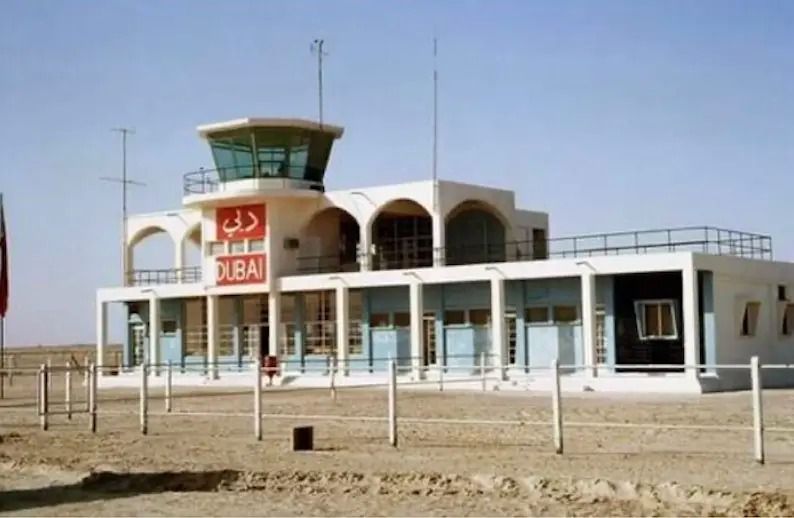
In the late 1960s, Dubai Airport used to operate from 07:00 to 13:00, handling just a few hundred passengers a day.
After 13:15, the airport manager (more like a caretaker) would lock the doors and take the keys with him.
Today, Dubai moves more than 90M passengers a year, Abu Dhabi around 30M, and Doha over 50M — an extraordinary leap in one generation.
But as transformative as aviation has been for opening the Gulf to the world, the region is now entering a new era of mobility, driven by land connections within the GCC.
The Trains Are Coming
One rail announcement after another is transforming six separate markets into one connected region:
- Riyadh–Doha high-speed rail
~2 hours of travel, 10M+ passengers expected, 30K new jobs, ~$30B in economic impact.
- UAE domestic rail (Etihad Rail)
Linking 11 cities as of 2026. Abu Dhabi to Dubai in 57 minutes, with a future high-speed train cutting that to 30 minutes.
- UAE–Oman corridor (Hafeet Rail)
Connecting Abu Dhabi to Sohar in ~100 minutes, transforming both passenger movement and freight.
All of this feeds into the 2,100 km GCC Railway, which by 2030 aims to create a single passenger experience that feels like domestic travel.
What This Means for People & Business
When borders become this frictionless, behavior changes. Millions of air passengers now have tempting alternatives.
Tourism spreads
- Dubai residents can finish work on Friday and enjoy dinner in Muscat.
- Families in Doha see Riyadh as a two-hour weekend trip.
- Standalone trips evolve into multi-city Gulf experiences.
Business accelerates
- Morning meetings in Riyadh, back in Abu Dhabi by afternoon.
- Supply chains reorganize around rail hubs.
- Companies hire across the GCC as commuting replaces relocation.
At this scale, mobility turns the GCC into one integrated economic system — because practically, it becomes one.
Early Connectivity Bets That Set the Stage
This vision for interconnectivity was laid down years ago:
- Saudi–Oman highway (2021)
Cut 16 hours of travel through the Empty Quarter.
- King Fahd Causeway (1986)
Linked Saudi Arabia and Bahrain and today moves 30M+ passengers a year.
These were early signals of a region thinking and acting as one. What’s different now is scale and timing: complementary systems being built simultaneously, with major links completing within this decade.
Design for the Network, Not the Node
For real estate, investment, policy, and beyond, the shift is fundamental. You’re no longer designing for a single location, but for access to an entire connected Gulf of opportunity.
This aligns with DarGlobal’s Live All In philosophy: living across markets and borders, supported by a level of connectivity that’s actively under construction.
If this is how far the GCC has already travelled, imagine what the next chapter holds.
In times like this, you either get on board — or watch the train leave without you.