Why Dubai Remains the World's Leading Luxury Property Market
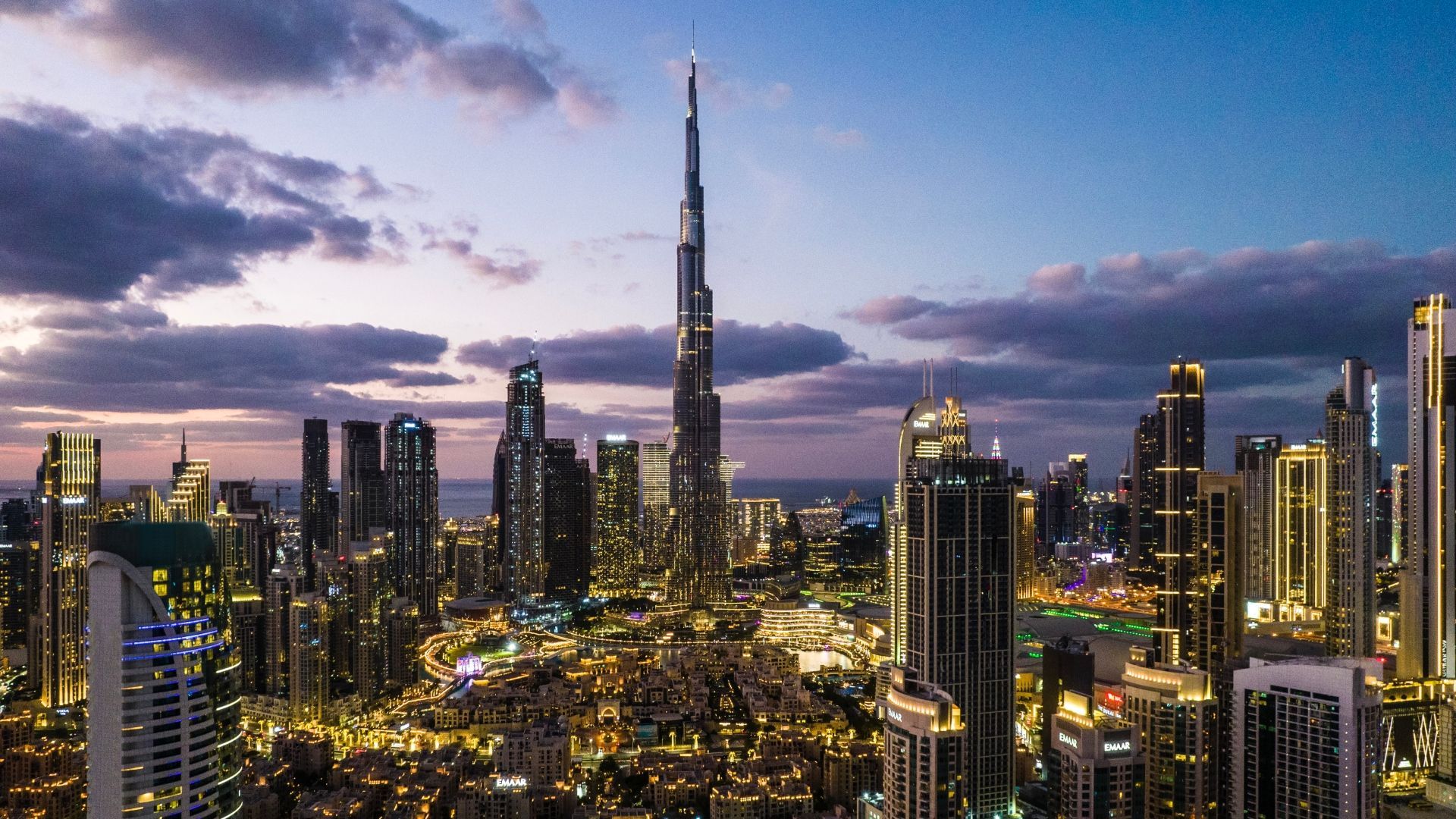
The global ultra-luxury property sector is experiencing a period of significant recalibration. While traditional wealth capitals navigate regulatory changes, tax adjustments, and slowing growth, one market consistently defies global trends. Dubai has firmly established itself not merely as a regional safe haven, but as the absolute capital of the global elite.
For individuals seeking a high-conviction Dubai investment, the emirate offers an unmatched combination of economic stability, forward-thinking golden visa policies, and world-class architecture. This unique ecosystem ensures that Dubai luxury real estate remains a highly resilient asset class.
1. Unmatched Wealth Migration and Population Growth
A primary driver behind the sustained momentum of the property market is the historic influx of global high-net-worth individuals. In 2025, Dubai’s population crossed the 4 million milestone, with projections indicating a further addition of up to 225,000 affluent residents throughout 2026.
Unlike previous market cycles that relied heavily on speculative trading, the current growth phase is powered by end-users. Affluent families and entrepreneurs are choosing to relocate their primary residences and corporate headquarters permanently. This shift creates a structural floor for property demand, translating directly into highly stable, long-term asset value.
2. Structural Scarcity in Prime Waterfront Communities
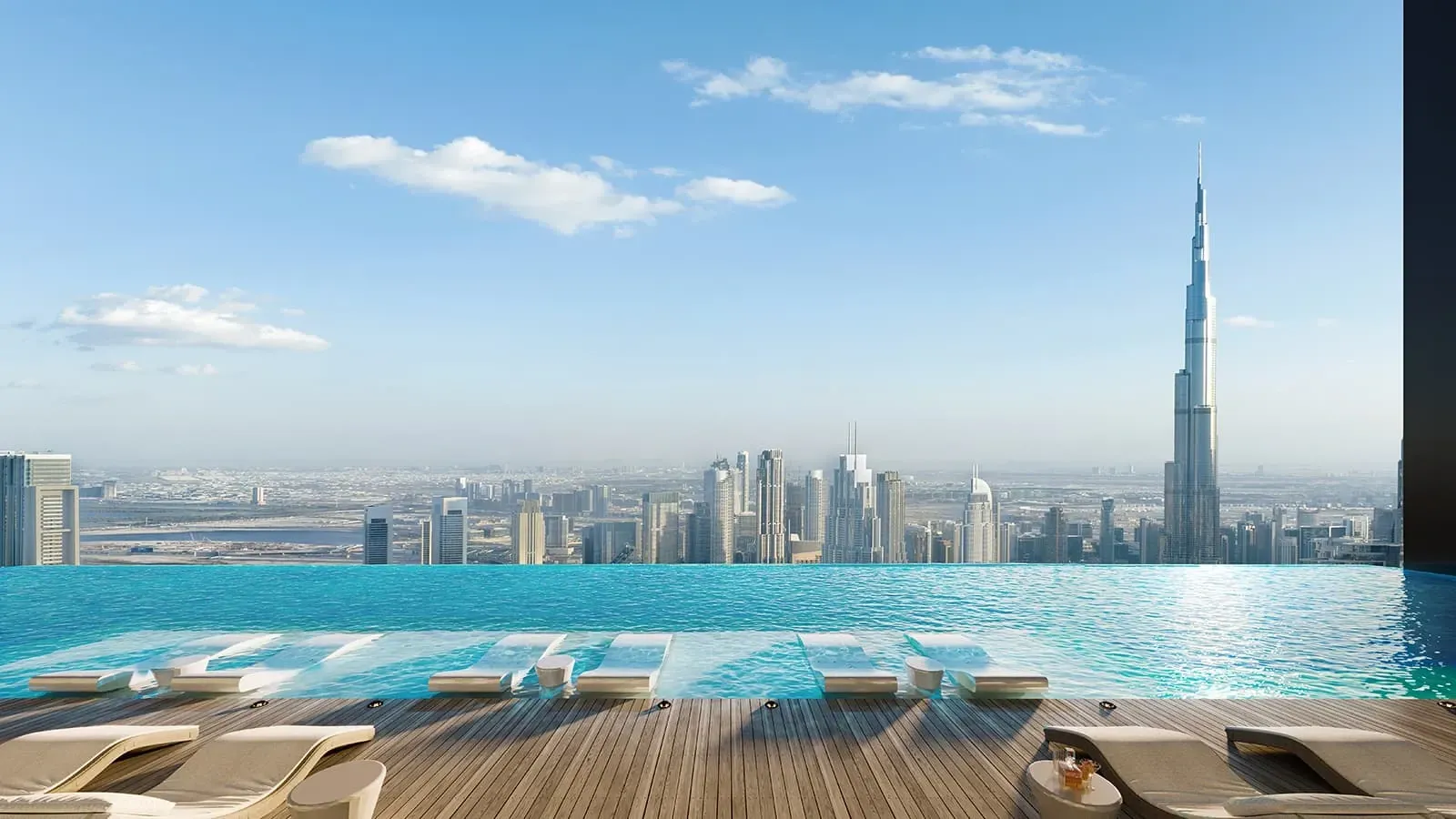
The term luxury is frequently overused in global marketing, but true luxury is rooted in scarcity. While development continues across outer suburban sectors, prime waterfront land in central Dubai remains finite.
Established master-planned communities like Palm Jumeirah, Dubai Islands, and elite coastal enclaves continue to see intense capital concentration. Ultra-high-net-worth buyers are actively prioritizing ready or near-completion villas and ultra-prime penthouses. Because the supply of premium oceanfront plots cannot be artificially expanded, these specific assets enjoy natural insulation from broader market fluctuations, consistently outpacing secondary markets in capital appreciation.
3. High Yields and Capital Protection
From a purely financial perspective, the case for a Dubai investment is exceptionally compelling compared to other global hubs. While prime residential yields in cities like London, New York, or Paris frequently compress below 3%, prime Dubai properties reliably deliver net rental returns between 5% and 8%.
When combined with a 100% tax-free environment on rental income and capital gains, the net profitability remains unmatched globally. Furthermore, the dominant use of cash transactions at the upper echelon of the market protects the luxury sector from changes in global mortgage rates, preserving transaction volumes and overall market liquidity.
4. The Evolution of Branded Infrastructure
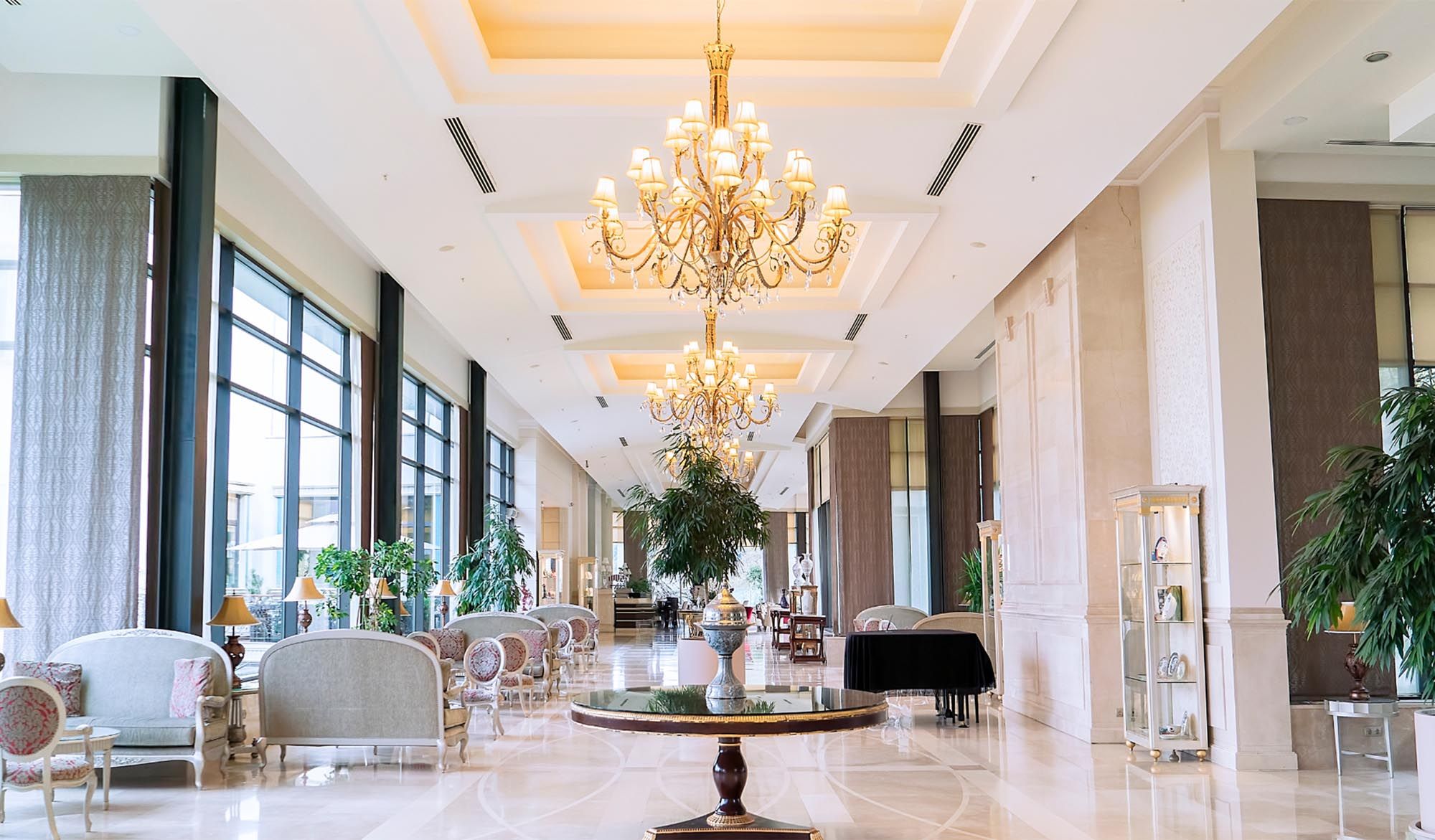
Dubai has revolutionized how luxury property is developed by mastering the branded residences model. By collaborating with iconic fashion houses, automotive designers, and elite hospitality names, developers are creating collectible real estate assets.
These branded properties offer world-class, five-star managed services, private clubhouses, and highly detailed interior architecture. For international investors, the brand serves as a permanent stamp of quality and operational excellence, ensuring superior tenant retention and premium resale values.
Summary of the Market Edge
The enduring strength of Dubai luxury real estate lies in its evolution from a cyclical market into a mature, highly regulated, and long-term wealth preservation ecosystem. By combining unmatched lifestyle infrastructure with unparalleled tax efficiency, the city secures its position as the ultimate destination for global capital.
Frequently Asked Questions (FAQs)
What are the average rental yields for luxury properties in Dubai?
Prime properties in established central and waterfront communities typically yield between 5% and 8% net annually. This is substantially higher than the 2% to 3% averages found in competing global capitals like New York or London.
How do Dubai's visa regulations support property investors?
The UAE Golden Visa program grants long-term, 10-year residency to individuals investing a minimum of AED 2 million in real estate. This residency is entirely independent of employment, applies to immediate family members, and remains valid even if the resident stays outside the country for extended periods.
Is the current luxury real estate market driven by speculation?
No. The current market cycle is distinctly mature, driven primarily by cash-rich end-users, international corporate relocations, and long-term wealth migration. Strict regulatory oversight by the Dubai Land Department has successfully minimized short-term speculative flipping.
What types of luxury properties are currently in the highest demand?
There is extreme demand for low-density waterfront villas, branded residences with integrated hospitality services, and expansive penthouses in central waterfront districts where prime land supply is structurally limited.