Why Mixed-Use Luxury Developments Are Growing
The global high-end property market is undergoing a major structural evolution. Traditional standalone luxury towers and isolated suburban estates are no longer the single benchmark for elite living. Instead, mixed-use luxury developments (master-planned environments that integrate high-end residences, fine dining, boutique retail, executive workspaces, and wellness hubs) have emerged as the fastest-growing segment in international real estate.
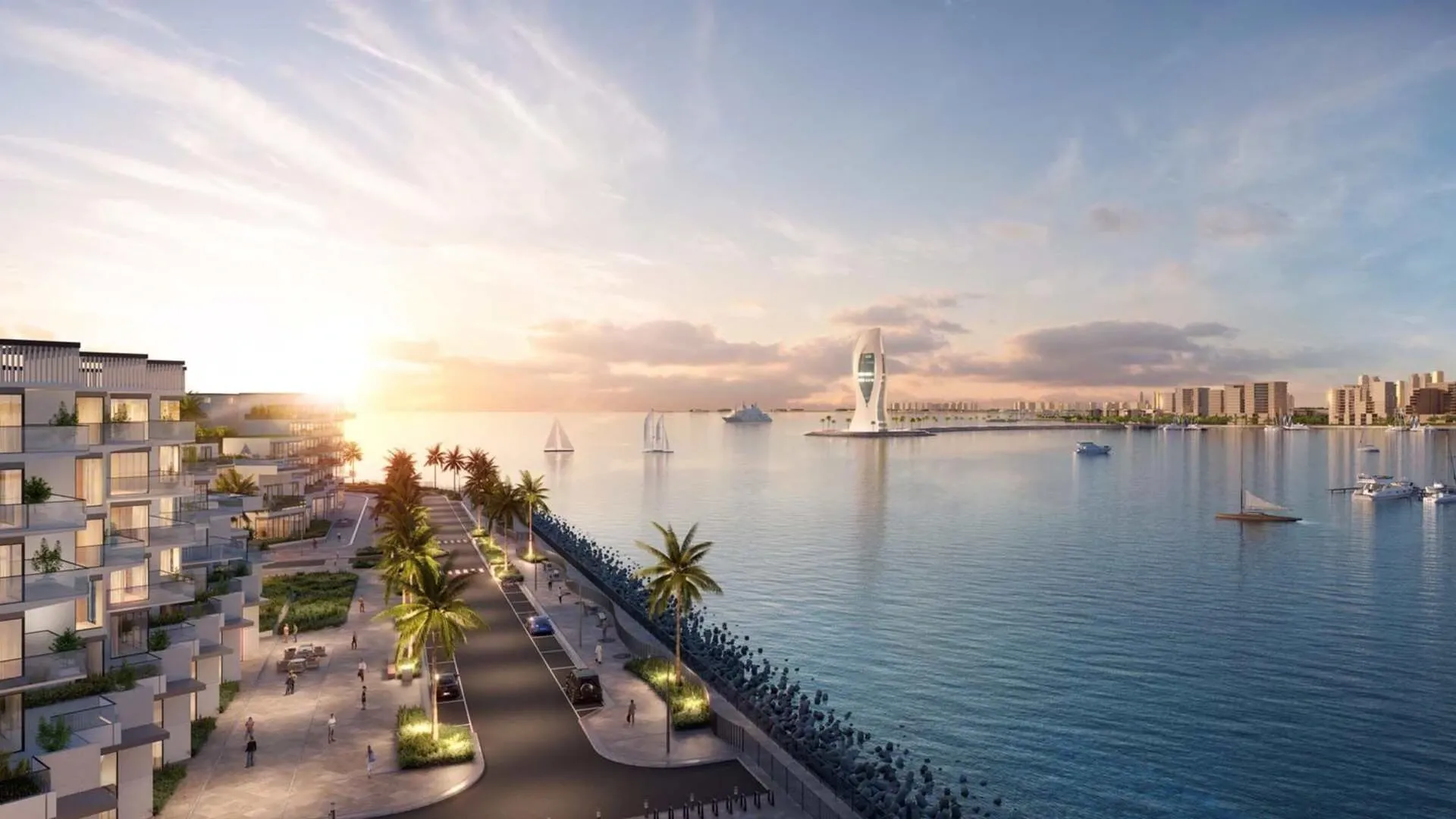
This shift reflects fundamental changes in lifestyle preferences, urban density demands, and investment strategies among high-net-worth buyers. Understanding why these integrated environments command premium valuations reveals how modern urban communities are being redesigned for the future.
1. The Priority of Walkability and Time Optimization
For affluent buyers, time is the ultimate luxury. Traditional suburban estates often require long transit times to access high-end dining, cultural venues, and financial centers. Mixed-use luxury developments solve this friction by bringing daily necessities and lifestyle amenities into a single walkable ecosystem.
- 15-Minute City Efficiency: Residents can transition from their private apartment to an executive co-working lounge, an artisan café, a Michelin-starred restaurant, or a private spa within minutes.
- Pedestrian-Centric Design: Integrated plazas, landscaped walkways, and subterranean valet networks keep ground-level spaces open, peaceful, and car-free.
2. Hospitality-Driven Residential Service
Today's luxury buyers expect their private homes to operate with the ease and service level of a five-star hotel. Mixed-use master plans frequently partner with luxury hospitality brands or specialized management companies to oversee the entire precinct.
- Curated Retail and Dining: Developers curate ground-floor tenants to ensure high-end grocery stores, luxury fashion boutiques, and renowned dining concepts line the promenade.
- Integrated Concierge Infrastructure: Residents gain access to building-wide services including private chef catering, event booking, wellness coaching, and housekeeping.
3. Strong Financial Performance and Yield Resilience
From an investment perspective, mixed-use luxury developments offer clear risk mitigation and capital growth advantages compared to single-use residential buildings.
The integration of commercial and retail anchor tenants generates steady foot traffic and economic activity, which keeps the surrounding precinct vibrant and supports long-term property values. This model creates diversified revenue streams, delivers higher price-per-square-foot valuation premiums, and sustains high tenant demand across economic shifts. During broader market pullbacks, the multi-faceted revenue structure protects the overall financial health of the asset.
4. Fostering Connected Urban Communities
As remote and hybrid work patterns become permanent features of global business, buyers are seeking places that combine private luxury with social connection. High-end mixed-use precincts fulfill this need by building vibrant urban communities right outside the front door.
- Shared Cultural Hubs: On-site art galleries, outdoor amphitheaters, landscaped rooftop gardens, and private members' clubs serve as natural gathering spaces for residents.
- Active Public Spaces: Thoughtfully designed open plazas and green walkways foster a sense of neighborhood identity while preserving private residential security.
FAQs
1. What defines a mixed-use luxury development?
A mixed-use luxury development is a single integrated project that combines high-end residential units with upscale commercial space, fine dining, boutique retail, and resort-style wellness amenities within a walkable environment.
2. Why do investors prefer mixed-use developments over single-use residential towers?
Mixed-use projects offer multiple revenue streams, higher foot traffic, and stronger demand from high-paying buyers and tenants. This structural diversification helps maintain higher rental yields and protects capital value across economic cycles.
3. How do developers maintain privacy and security for residents in public-facing mixed-use areas?
Developers use clever architectural separation. Residential zones feature dedicated drop-off lobbies, private elevators, keycard-restricted parking levels, and subterranean access routes that are entirely separate from public retail and dining areas.
4. Are mixed-use luxury developments more sustainable?
Yes. By placing work, dining, shopping, and living spaces within walking distance, these projects significantly reduce car dependency and personal carbon emissions. Many modern mixed-use developments also feature green building certifications, smart energy grids, and central water recycling systems.
5. How do mixed-use projects impact surrounding urban communities?
Beyond serving their own residents, well-designed mixed-use developments revitalize broader urban neighborhoods by adding high-quality public plazas, improving street lighting, upgrading local infrastructure, and attracting new business activity.